Md. Alif Hassan Raha
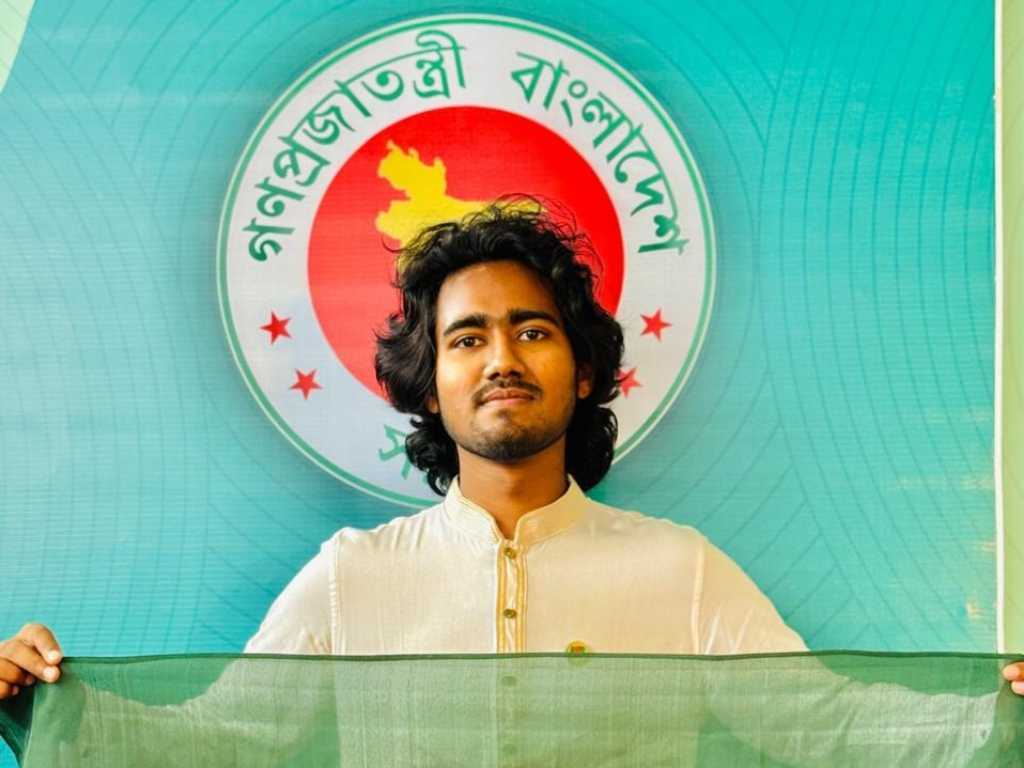
- Md. Alif Hassan Raha
- 17065
- A
- 482
- 17 years old
- Student
- 7 members
- Sylhet, Bangladesh
A Brief Background and Experience During the July 2024 Uprising
Before the July Mass Uprising rewrote his destiny, Alif was a driven student at Milestone College in Dhaka, building a life anchored in education and family dreams. Living in the bustling area of Uttara, his world centered around his studies and the quiet aspirations of his parents. When the student-led movement erupted demanding justice and a fairer nation, Alif could not stand by. He joined the protests on 16 July, marching alongside thousands of peers in Uttara until dusk each evening.
The turning point came on the morning of 18 July. At around 10:00 AM, as students gathered to demonstrate in front of Milestone College, Alif witnessed a massive wave of protestors marching from the Gazipur direction. Swept up by their collective courage, he joined the front lines. The moment the swelling procession stepped onto the highway, police forces launched a sudden, lethal crackdown, firing live ammunition indiscriminately into the crowd. At approximately 11:30 AM, a bullet tore through the chaos, striking Alif directly in his right eye, while pellet fragments peppered his face, head, and upper body. Blood poured from his eye “like a waterfall.” Seeing him collapse, two friends braved the gunfire to drag him to a local clinic in Uttara. When doctors there failed to stop the torrential bleeding, he was rushed to Kurmitola General Hospital, where medical staff finally managed to apply a temporary bandage and stabilize him.
Too terrified to let his mother see him in such a mangled, critical state, Alif initially sought refuge at a friend’s house, finally gathering the courage to return home at 5:00 PM. By 19 July, the horrific reality set in he had completely lost vision in his right eye. Seeing the severe swelling, his panicked father took him to a hospital at Kurmitola hospital on 20 July. Recognizing the gravity of the injury, the attending doctor urged them to take him to the National Institute of Ophthalmology and Hospital (NIOH) in Dhaka.
Though the Army allowed their ambulance pass at Uttara, their journey hit a wall of terror in front of the Uttara East Police Station. Five police officers aggressively intercepted the vehicle. Verbally abusing Alif as a “fighter,” they violently dragged both him and his father out, slapping the heavily injured Alif repeatedly before locking them in a filthy, overcrowded detention cell. There, an officer assaulted detainees indiscriminately and Alif’s phone and belongings were confiscated. The psychological torture escalated after the Dhuhr prayer call when guards sat outside loading firearms, resulting in a terrifying accidental misfire. At 2:00 AM, Alif’s father was pulled into interrogation. Officers threatened that if he tried to see his son again, they would execute Alif in a staged “crossfire.” Fearing for his son’s life, the heartbroken father was forced to walk all the way home alone in the dead of night.
Shortly after, Alif was dragged into an interrogation room filled with personnel from the Police, RAB, Ansar and APBN. Upon learning he was a student at Milestone College, a constable dragged him into an isolated room where four or five officers brutally beat the semi-blinded teenager. Following the assault, they forced him to sign a blank sheet of paper. By the Fajr prayer call, Alif was handcuffed to another detainee. When he begged to take his crucial medical documents, officers struck his waist with the heavy iron handcuffs. He was crammed into a prison van and transferred to a massive holding facility, and by 21 July, he found himself locked away in Dhaka Central Jail. For one day, he was kept in the prison hospital, where life-sentenced convicts acted as medical staff; a 16-year-old inmate jailed for robbery was the one who administered his injections. Alif spent the following days housed alongside hardened lifers. Finally, on 1 August, prison authorities shackled his hands and feet and transported him back to NIOH, where doctors declared his condition critical and demanded immediate hospitalization. At midnight on 2 August, Alif was finally released on bail, though he remained bedridden under hospital care until the fall of the regime on 5 August.
Rehabilitation Journey and Support from Aparajito 24 Foundation
While the political landscape shifted, Alif was left to pick up the pieces of a deeply fractured psyche and body. He was dealing with permanent vision loss in his right eye, physical trauma from the custodial beatings, and severe psychological distress from the terror of his detention. It was during this darkest phase of isolation and trauma that Alif connected with the Aparajito 24 Foundation.
The Foundation immediately developed for Alif, a structured, compassionate rehabilitation ecosystem. Recognizing that his emotional wounds were as deep as his physical ones, Aparajito integrated him into a specialized psychosocial support program. Through targeted mental health workshops and continuous counseling, Alif began to process the trauma of the interrogation rooms and the lingering anxiety of his experiences. More importantly, Aparajito introduced him to its expansive volunteer network, composed almost entirely of fellow July Uprising survivors. Finding a community of peers who bore the exact same scars gave Alif a profound sense of belonging, transforming the Foundation into a “second family.” This collective healing environment gradually rebuilt his shattered confidence and strengthened his emotional resilience.
As Alif’s emotional strength slowly began to return, his journey took an extraordinary turn: he transitioned from a recipient of aid into a pillar of support for others. Inspired by the care he received, Alif began volunteering actively for the Aparajito 24 Foundation. He took on the responsibility of communicating regularly with newly identified injured survivors, visiting them, guiding them through the complex process of accessing medical and financial aid, and anchoring peer-support initiatives. By helping others heal, Alif found a powerful avenue for his own ongoing rehabilitation.
Current Situation and Future Aspirations
Today, Alif lives as a resilient survivor, navigating the daily challenges of permanent one-sided blindness while his pending wartime criminal case remains an unresolved, lingering legal hurdle. Despite these heavy burdens, he has successfully reclaimed his path toward the future. Alif is currently pursuing his undergraduate studies at a private university, refusing to let the violence of 2024 derail his academic ambitions.
To ensure his long-term independence and career readiness, the Aparajito 24 Foundation is currently arranging specialized skills development training tailored to his academic goals. Alif is actively preparing himself for higher education and professional opportunities, focusing his mind on what he can achieve rather than what was taken from him.
As a dedicated and vital volunteer within the Foundation’s network, Alif continues to dedicate his spare time to uplifting other victims of the uprising. His journey is a profound narrative of transformation turning a story of brutal state oppression, loss, and illegal detention into an enduring legacy of community service, personal empowerment and unyielding hope for the future.